James 1:17: “Every good and perfect gift is from above, coming down from the Father of the heavenly lights, who does not change like shifting shadows.” [παρ’ ᾧ οὐκ ἔνι παραλλαγὴ ἢ τροπῆς ἀποσκίασμα, par hō ouk eni parallagē ē tropēs aposkiasma]
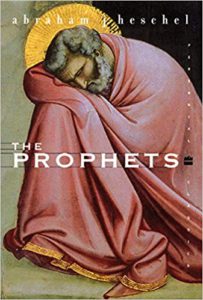
During my younger days, I used to dabble in linguistic philosophy (obviously in an amateurish way) and German historical criticism of the Bible. However, the forays into these avant garde trends left me with a sense of spiritual desiccation. It was in the midst of theological ennui that I stumbled on Abraham Heschel’s seminal work, The Prophets. I was swept by the spiritual and fervent vitality that flows through Heschel’s powerful and passionate prose.
However, Heschel’s exposition of the prophet’s teaching of the pathos of God both excited and troubled me. It is exhilarating to realize that God has a stake in the human situation. This is a stunning contrast to the god of the Greeks. For example, Aristotle taught that God is entirely self-centred. “It would be out of question for men to attempt personal intercourse with Him…those are wrong who think that there can be a friendship towards God. For (a) God could not return our love, and (b) we could not in any case be said to love God…He does not know this world and no Divine plan is fulfilled in this world. [Frederick Copleston, A History of Philosophy. Vol.1 pt.2 Greece and Rome (Double Day Image Book, 1962), pp. 59-61]
In contrast, the pathos of the God of the biblical prophet assures us that God intimately and passionately cares about human welfare. This assurance will certainly generate hope for believers who find themselves feeling hopeless as they are psychologically crushed in the midst of dire situations. Continue reading “The Immutable God Who Cares. Part 1”