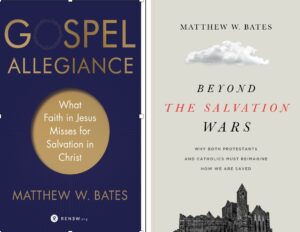
Debates about justification and New Perspective on Paul (NPP) seemed to have quietened down for a while, but recently the debates have received new impetus with the publication of three books by Matthew Bates – Salvation by Allegiance Alone, [SAA] Gospel Allegiance [GA] and Beyond the Salvation Wars [BSW]. It is undeniable that the teachings of the NPP (represented by N.T. Wright-Scot McKnight-Matthew Bates) are in conflict with the doctrine of justification and salvation taught in the historic Confessions of the Reformation. However, Bates writes, “Yet the creeds are not good stand-alone teaching tools about the gospel without an intervening reframing. The biblical and apostolic gospel relentlessly emphasizes Jesus’s messianic kingship—and this is muted in the creeds. Furthermore, creeds are doctrinal statements that invite intellectual affirmation – belief – more than allegiance.” [BSW54] Apparently, Bates seeks to intervene, reframe (and revise) the historic Reformation teaching of salvation based on his new perspective on faith and salvation, that is, salvation is by allegiance to Christ the king. Continue reading “N.T. Wright-Scot McKnight-Matthew Bates New Perspective on Faith and Salvation”
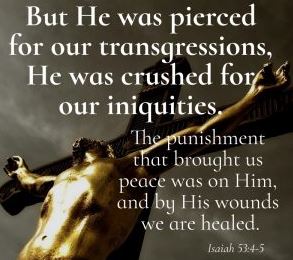
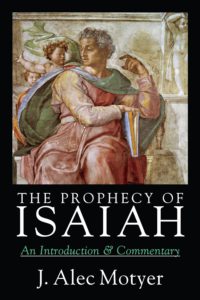 Question: One defining element of God’s salvation is the promise of a new covenant between God and his people which Jeremiah & Ezekiel prophesied. What is Isaiah’s teaching about the New Covenant?
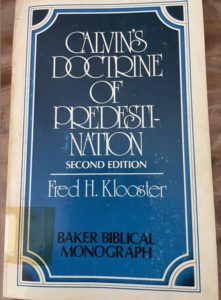 Calvin’s doctrine of predestination (election and reprobation) is not a product of philosophical deduction. It is a result of Calvin’s exegesis of Scripture. Calvin gives two concise definitions of predestination:
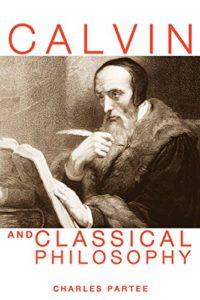 The frequent attacks on Calvinism by non-Calvinists in the Web gives the impression that Calvinism is a pernicious Christian sect. The attacks often highlight predestination as a major problem with Calvinism. The Calvinist’s doctrine of predestination is regarded as a rigid and legalistic doctrine that violates our sense of justice. It also robs the believer of his assurance of salvation.