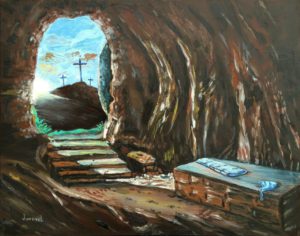
 The Empty Tomb: Inadequate Alternative Explanations. BADR Part 8
Question – Critics have offered other theories to explain the empty tomb of Jesus. Why are these alternative theories not plausible?
1) Swoon or Apparent Death Theory: Jesus did not die.
But the Roman executioners were “professionals” who were thorough in verifying Jesus’ death.
2) Conspiracy & Theft Theory: The disciples stole the body and claimed that He rose from the dead.
But conspiracy is always executed for selfish advantage and the disciples were persecuted and imprisoned for their claims. Conspiracy theory about the resurrection violates all known psychological laws of lying.
3) Hallucination Theory: All of Christ’s post-resurrection appearances were really hallucinations.
But hallucination only visits the prepared mind. The disciples were not psychologically predisposed and did not expect Jesus to rise from the dead. Critics only needed to point to the body of Jesus in his tomb to refute the disciples.
You can view the video at:
The Empty Tomb: Inadequate Alternative Explanations. BADR Part 8
Next video – Harmonizing Alleged Discrepancies Between the Resurrection Accounts of the Four Gospels. BADR 9

 Question: The prophecies about the Suffering Servant in Isa. 53 are very confusing as the Servant appears different in the various (four) Servant songs. Is Isaiah 53 really about Christ, let alone his atoning death? And furthermore, the standard Hebrew term for “atonement” is not found in the text, how can it be about an atoning death?
 Question: Matthew cites Isa. 7:14 and says it is fulfilled by the birth of Jesus. However critical scholars argue that in the context of Isaiah 7, this verse is about a child born during the time of Ahaz. How would evangelical scholars like you respond to this critical scholarship?
 Orthodoxy and Heresy in Earliest Christianity
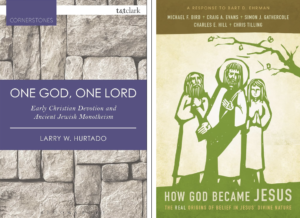
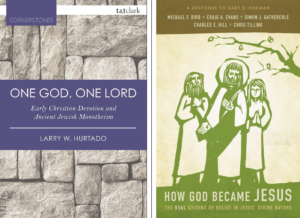
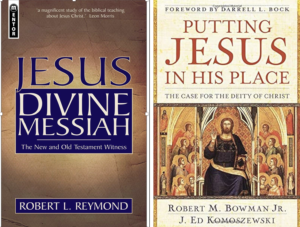
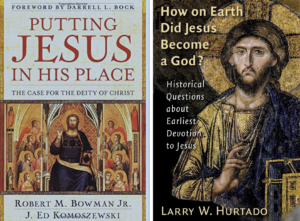 Question: How did the apostles and early Christians come to believe in the deity of Christ?